
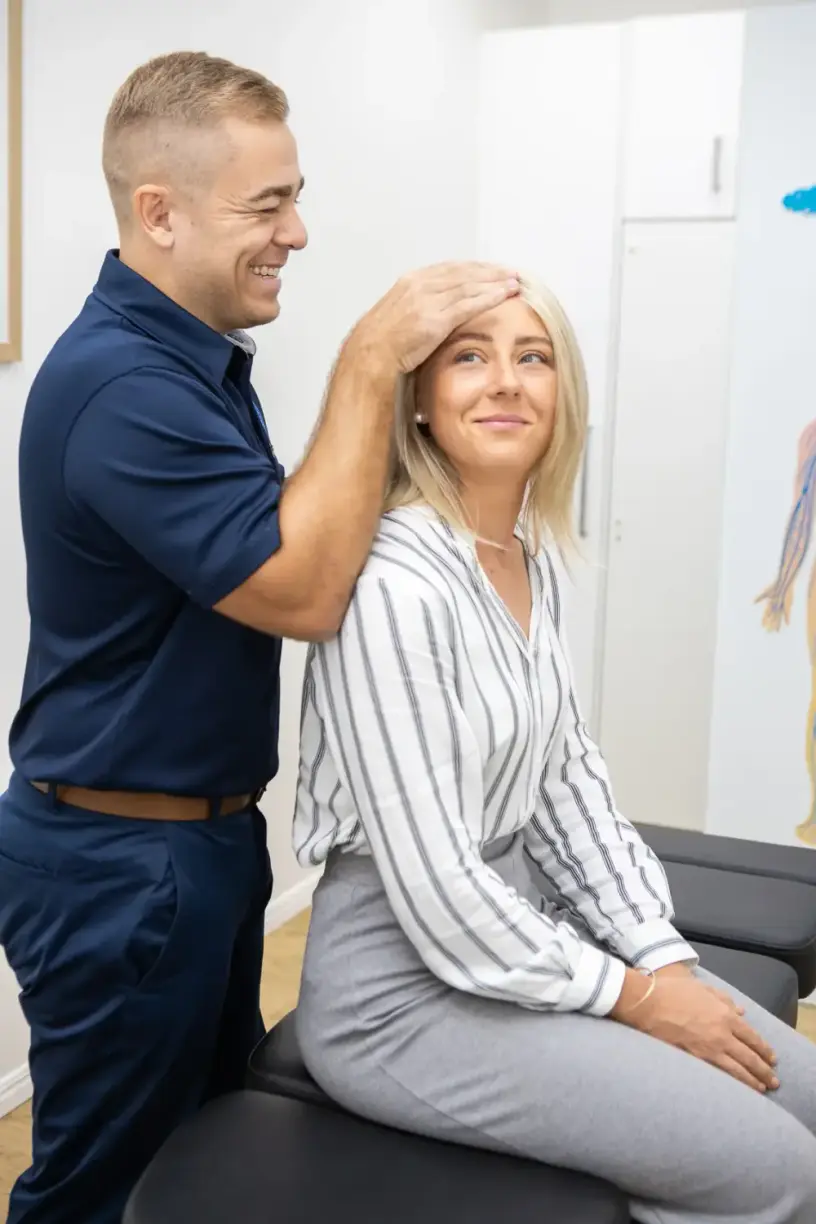
Shoulder Pain
From frozen shoulder to impingement — we will find out what is driving your pain and work on it directly.
Understanding Shoulder Pain
The shoulder is one of the most mobile joints in the body — and that mobility comes at a cost. The shoulder relies on a complex balance of muscles, tendons, and joint structures to stay stable and functional, which means there are many things that can go wrong. Shoulder pain can affect everything from reaching into a cupboard to getting dressed in the morning, and it has a particular habit of disrupting sleep when lying on the affected side.
Shoulder conditions we commonly see at Banora Chiropractic include rotator cuff strains and impingement syndrome, where structures in the shoulder become pinched during arm movements, frozen shoulder (adhesive capsulitis), where the joint gradually stiffens and becomes increasingly painful, acromioclavicular joint problems from falls or contact sport, and referred pain from the cervical spine or upper thoracic spine, which can produce symptoms deep in the shoulder or running down the arm that feel very much like a shoulder problem.
That last point is particularly important: a significant proportion of people presenting with shoulder pain have a component — or even the primary source — in the neck and upper back rather than the shoulder joint itself. This is why a thorough assessment that includes the cervical spine, not just the shoulder, produces better outcomes.
Common symptoms
- Pain when lifting the arm or reaching overhead
- Stiffness or restricted movement — difficulty rotating the shoulder fully
- Aching pain at night, particularly when lying on the affected side
- Sharp pain with specific movements — reaching behind the back, throwing, or pushing
- Weakness in the arm or difficulty holding objects at shoulder height
- Pain that radiates from the neck into the shoulder or down the upper arm
- Clicking, catching, or grinding in the shoulder joint during movement
- Gradual loss of shoulder range of motion over weeks or months
How chiropractic may help
Our assessment of shoulder pain at Banora Chiropractic includes both the shoulder joint and the cervical and thoracic spine. We assess your range of motion, perform specific orthopaedic tests for the rotator cuff, biceps tendon, and acromioclavicular joint, and evaluate your neck and upper back for any involvement. This thorough approach allows us to identify the primary source of your pain accurately. Chiropractic care for shoulder pain may include shoulder joint mobilisation and extremity adjustment techniques to improve movement and reduce pain, cervical and thoracic adjustments where the neck or upper back is contributing, soft tissue work on the rotator cuff muscles, upper trapezius, and surrounding structures, and targeted rehabilitation exercises to restore strength, stability, and full range of motion. We will also advise on activities to modify and guide your return to full function. If we believe your shoulder would benefit from imaging — particularly where a rotator cuff tear or significant structural damage is suspected — we will refer you for the appropriate investigation.
What to expect at Banora Chiropractic
Shoulder assessments at Banora Chiropractic take time to do properly. We begin by taking a detailed history — the mechanism of injury if there was one, how the pain has changed over time, which movements are most problematic, and whether there are any neurological symptoms like tingling or numbness in the arm. We then carry out a physical examination of the shoulder and neck. Treatment typically begins at or shortly after the first assessment visit. Most people with shoulder pain notice gradual improvement over four to eight weeks of care, though this varies depending on the condition and its severity. Frozen shoulder, for example, is a condition that improves slowly regardless of the treatment approach, while acute impingement often responds more quickly. We will be upfront about the expected timeline for your specific presentation and keep you informed throughout. Home exercises are a key part of shoulder rehabilitation, and we will progress these with you as your strength and range of motion improve.
Get Help With Shoulder Pain
Book an assessment and let us help you understand what is going on.
Book Online Call (07) 5599 2322Related Services
Related Conditions
Frequently Asked Questions About Shoulder Pain
More on shoulder pain from our blog
Shoulder Pain: Common Causes and How Chiropractic Care May Help
Can't reach the top shelf, can't sleep on that side — shoulder pain gets in the way of everything. Here's what's usually behind it.
5 Warm-Up Mistakes That Could Be Setting You Up for Injury
Whether you're hitting the surf at Coolangatta or training at the gym, how you warm up matters more than you think. Here are 5 common mistakes and what to do instead.
Shoulder Pain care near you
Our clinic is at 2/44 Greenway Drive, Tweed Heads South NSW 2486. We see patients from across the Tweed Coast and southern Gold Coast, including:
Struggling with shoulder pain?
You do not have to just put up with it. Book an assessment and let us help you understand your options.