You've just had a cracking dawn session at Duranbah or Kirra. The waves were good, you caught plenty, and you drove home happy. Then you wake up the next morning and your lower back feels like it's been locked in place, or your neck won't turn far enough to check your blind spot. If that sounds familiar, you're far from alone. Surfing back pain is one of the most common things we hear about from surfers around Tweed Heads, and the good news is that a few small habits may make a real difference.
What causes surfing back pain?
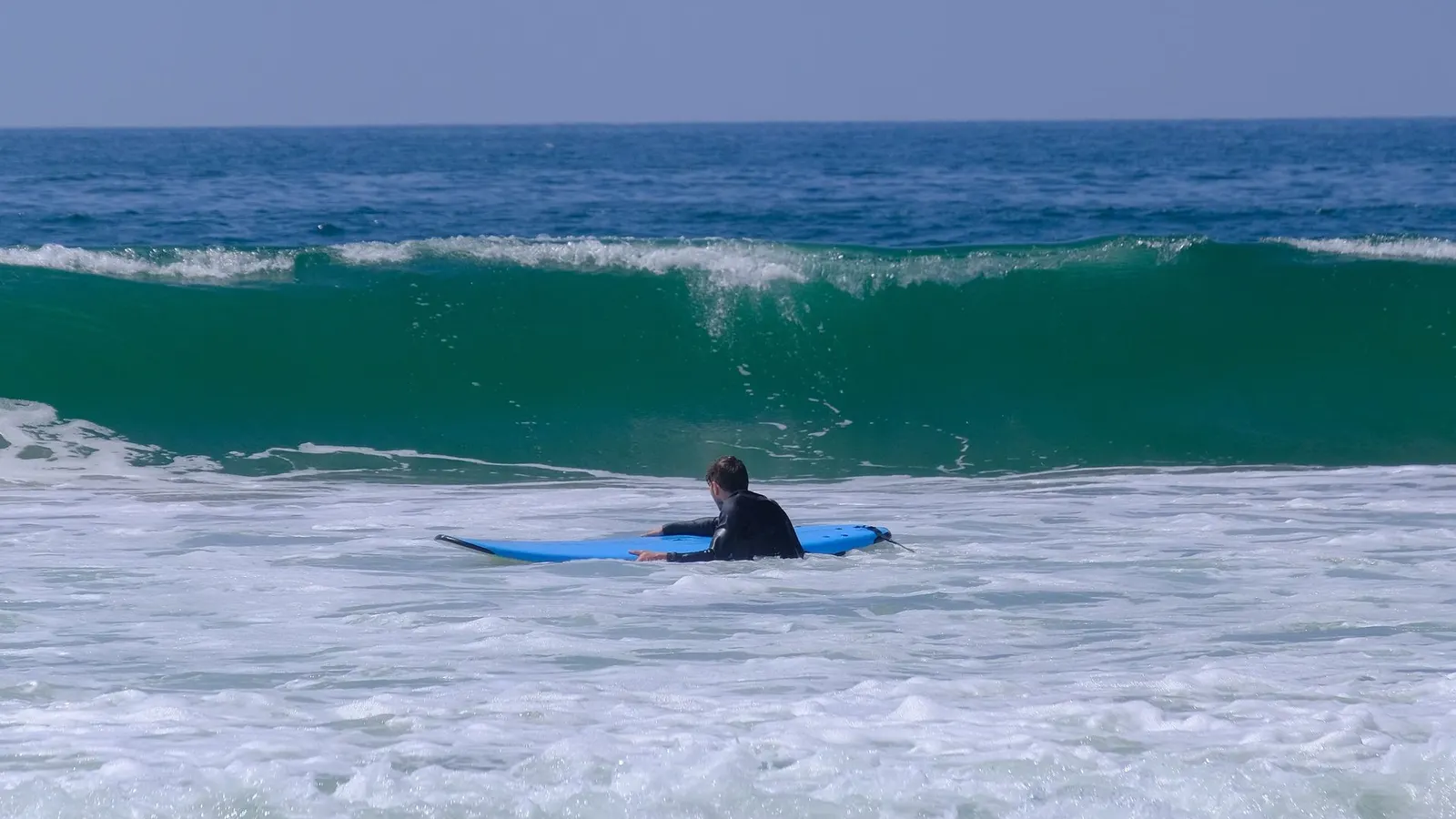
Surfing looks relaxed from the beach, but your spine is working hard the whole time. Most of a session is actually spent paddling, not riding waves. When you paddle, you're lying on your stomach with your lower back arched and your head lifted to see what's coming. Holding that position for an hour or more puts a lot of load on the joints and muscles of your lower back and neck.
Then there's the pop-up. Going from lying flat to standing in a split second asks your back, hips and shoulders to move quickly and under load, often when you're tired or cold. Add in twisting through turns, the odd wipeout, and a week of sitting at a desk or in the car between surfs, and it's easy to see why your back might complain.
Common things we see in surfers include:
- Lower back stiffness or aching after long paddle sessions
- Neck pain from holding your head up while paddling
- Tightness between the shoulder blades
- Shoulder pain from repetitive paddling
- Hip tightness that makes the pop-up feel clunky
Paddling posture tips that may ease the load
You don't need to change your whole technique. Small tweaks can help spread the work around so your lower back isn't doing it all.
- Find your sweet spot on the board. If you're lying too far back, the nose lifts and you have to arch harder to see over it. Too far forward and you nose-dive. Shuffle until the board sits flat and you can paddle without cranking your back.
- Lift from your upper back, not your neck. Think about lifting your chest a little rather than tipping your chin up. Your eyes can look forward without your neck doing all the work.
- Take short rests. Between sets, sit up on your board. It gives your lower back a break from that arched position.
- Keep your paddle stroke long and relaxed. Short, choppy strokes tend to make you tense through the shoulders and neck.
A five-minute warm-up on the sand
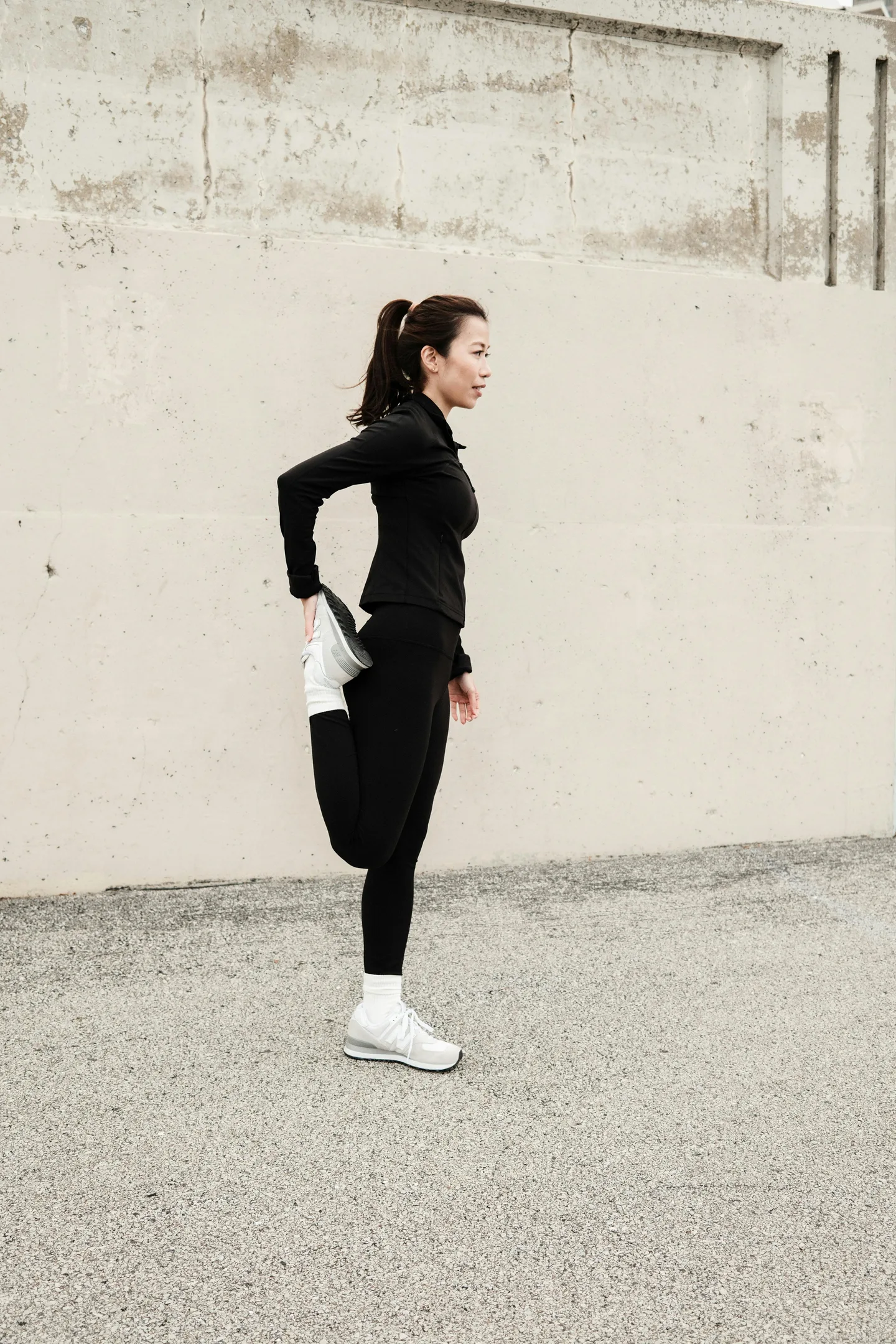
Most of us run straight from the car into the water. We get it. But cold muscles and stiff joints don't love sudden pop-ups. A quick warm-up on the sand can help your body get ready. Try this before you paddle out:
- Arm circles — 10 forwards, 10 backwards, to get your shoulders moving.
- Cat-cow — on your hands and knees, gently arch and round your back 10 times.
- Hip openers — a few slow lunges each side, with a gentle twist towards your front knee.
- Practice pop-ups — 5 slow, controlled pop-ups on the sand to wake up your hips and core.
- Neck turns — slowly look left and right, then up and down, a few times each way.
It takes about five minutes. If you want more ideas, our article on common warm-up mistakes has a few more tips for active people on the Gold Coast and Tweed.
After the surf: recovery habits
What you do after a session matters as much as what you do before it. A few easy habits:
- Move before you sit. Have a short walk along the beach before getting back in the car. Going straight from an arched paddling position to a slumped car seat is a big change for your spine.
- Stretch the front of your body. Your chest and hip flexors can get tight from paddling. A gentle doorway chest stretch and a kneeling hip flexor stretch may help.
- Drink some water. It's easy to forget you've been working hard when you're in the ocean.
- Build strength out of the water. Core and upper back strength work through the week can help your body handle the load of paddling.
When to get your back checked
A bit of stiffness after a big session is normal and usually settles within a day or two. It's worth getting checked if:
- The pain hangs around for more than a week
- You have pain, pins and needles or numbness running down your leg or arm
- Your back is stiff and sore every time you surf
- The pain is starting to stop you surfing or sleeping well
If you've hit the sand bank or reef head-first and have neck pain, headache, dizziness or any numbness, please see a doctor or go to the emergency department straight away.
At Banora Chiropractic, our sports chiropractic care starts with a proper assessment. We look at how your spine, hips and shoulders are moving, ask about your surfing and your week, and explain what we find in plain language. Care may include gentle adjustments, soft tissue work and exercises you can do at home. Everyone's different, so we'll talk you through what's likely to help in your case. You can read more about back pain and sports injuries on our site.
If your back is getting in the way of your surfing, come and see us at our Tweed Heads South clinic. Book online or call (07) 5599 2322, and we'll have a chat about what's going on and how we may be able to help you stay in the water.


 Sports